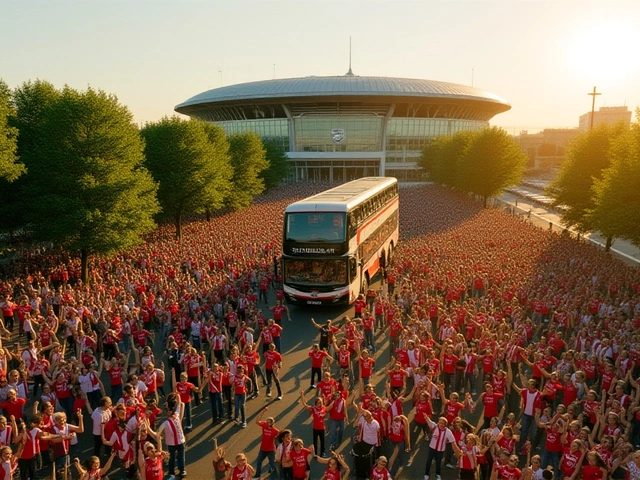
Arsenal fans flood London for first Premier League parade in 22 years
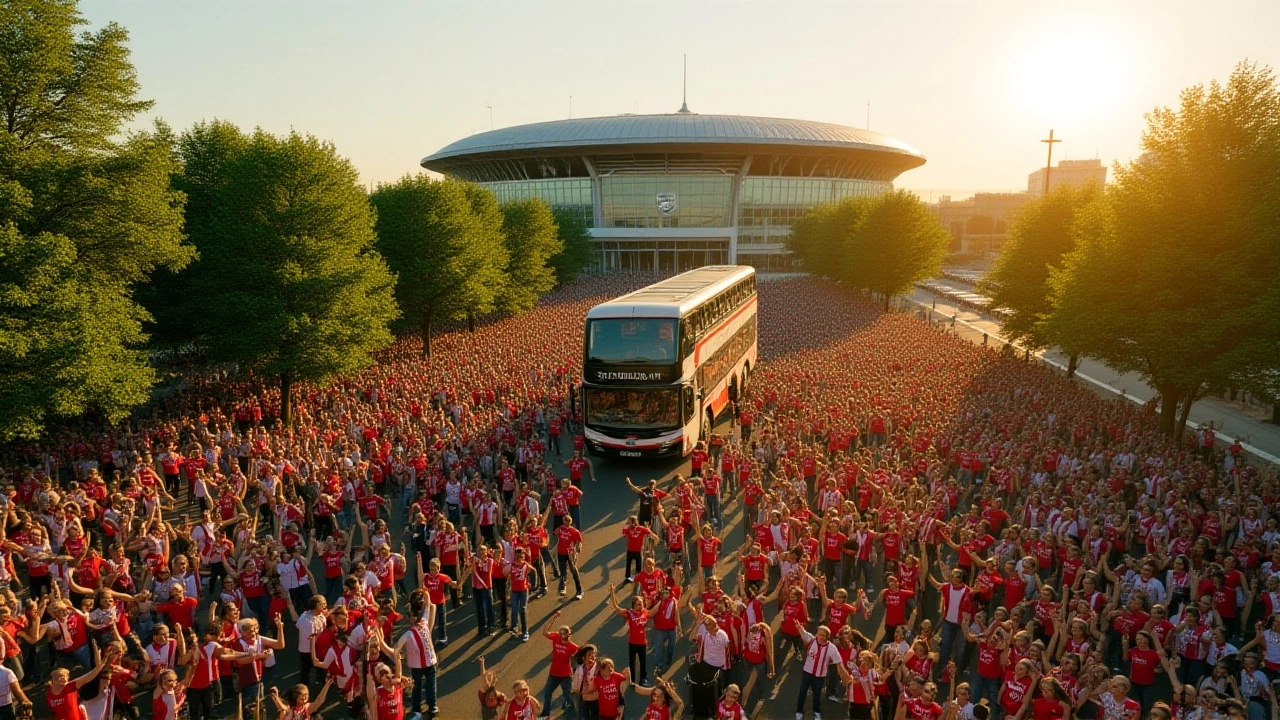
It’s been 22 long years since Arsenal last lifted the Premier League trophy, and on a sweltering May afternoon in 2026, the wait finally ended with a roar that shook north London. The club celebrated its historic league triumph with a massive victory parade, drawing an estimated half-million fans to the streets despite the bitter taste of a Champions League final loss just hours before.
The event wasn't just a celebration; it was a logistical marvel and a testament to the sheer passion of the Gunners' support base. From the moment the open-top buses rolled out of the Emirates Stadium, the atmosphere was electric, blending jubilation over the domestic title with a resilient spirit that refused to be dampened by European heartbreak.
A Sea of Red in North London
Here’s the thing about Arsenal fans: they don’t do things by halves. When the parade kicked off at 2pm from the Emirates Stadium in Holloway, the turnout was staggering. ITV News reported crowd estimates reaching as high as 500,000 people—a figure that puts this gathering among the largest spontaneous public celebrations in recent British history.
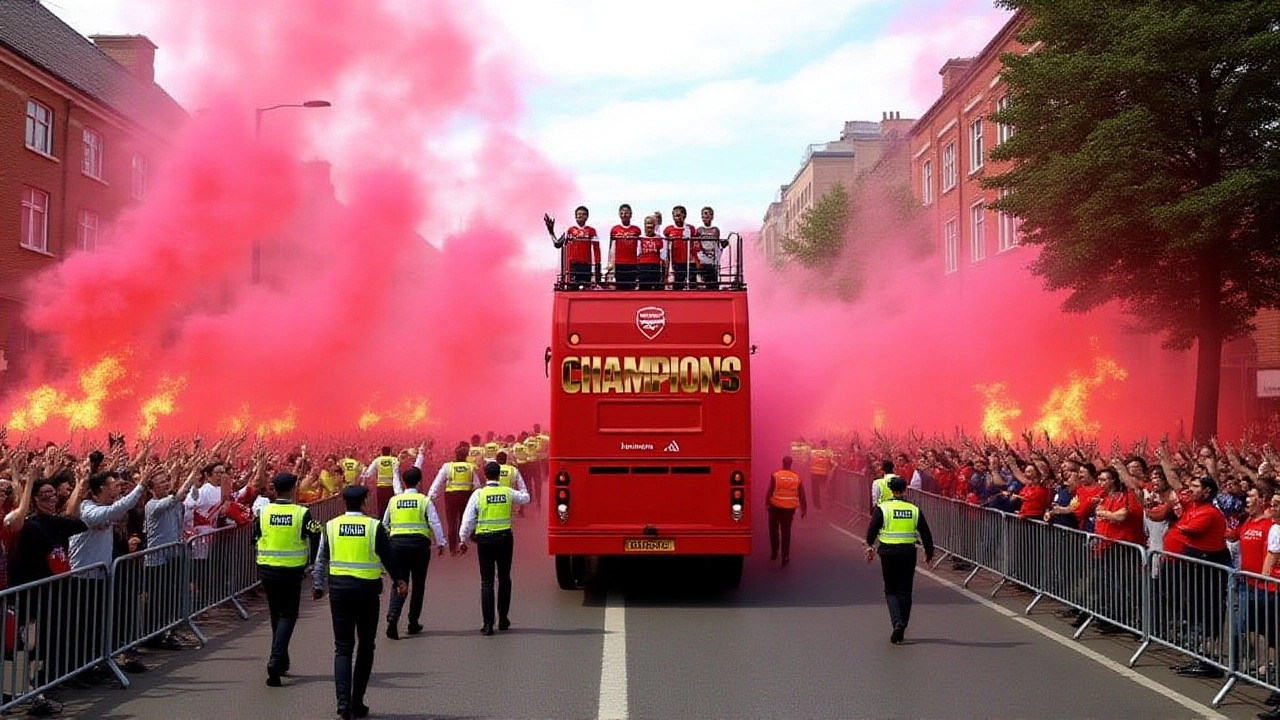
The route was deliberately chosen to maximize the impact, looping through the borough of Islington. Four open-top buses carried the players, staff, and the gleaming Premier League trophy itself. It’s a sight rarely seen in English football, reminiscent of Manchester United’s parades in the late 90s or Liverpool’s return to glory in 2020. But there’s something unique about this moment. This is Arsenal’s first top-flight title in over two decades, ending one of the longest droughts in modern club history.
Turns out, the energy was palpable even miles away from the main route. Social media feeds lit up with videos of fans waving scarves from balconies and rooftops across north London. The streets weren’t just filled; they were submerged in red and white. ESPN noted that thousands lined the roads, their spirits high as the team bus navigated the narrow streets, a stark contrast to the somber mood that had gripped the city earlier in the week.
Policing One of the Year's Largest Operations
But wait—managing half a million people isn’t easy. The Metropolitan Police had been preparing for weeks, describing this as one of the largest policing operations of the year. The stakes were incredibly high, not just for security, but for maintaining the festive atmosphere without incident.
Sky News reported that officers were granted extra powers specifically to tackle "disorder and offences" associated with the parade. This isn’t unusual for major events, but the scale here demanded exceptional measures. Road closures stretched across multiple boroughs, and transport networks were adjusted to accommodate the influx. The police presence was visible but largely unobtrusive, allowing the celebration to flow naturally while keeping a watchful eye on potential trouble spots.
Interestingly, the focus wasn’t just on containment. Officers were seen joining in the chants, sharing moments with fans, and helping direct traffic. It’s a reminder that behind every massive public event, there’s a complex web of planning and coordination. The fact that the parade proceeded with minimal disruption is a credit to both the organizers and the fans themselves, who largely behaved with the maturity expected of such a historic occasion.
Joy Amidst European Heartbreak
The twist in this story? The parade took place just a day after Arsenal suffered a penalty shootout defeat to Paris Saint-Germain in the Champions League final in Budapest. For many clubs, that kind of loss would overshadow any domestic success. But Arsenal’s fans chose to celebrate.
ESPN highlighted this duality, noting that despite the "heartbreak" of the Saturday night final, supporters’ spirits remained high. It’s a poignant reflection of the club’s current era: resilience, ambition, and an unwavering belief in the project. Losing on penalties in Budapest hurts, sure. But winning the Premier League after 22 years? That heals old wounds.
The contrast was stark. In Budapest, the silence was deafening. In London, the noise was overwhelming. Fans chanted, sang, and embraced strangers in the street. It was a cathartic release, a collective exhale after years of near-misses and agonizing defeats. The trophy on the bus wasn’t just metal and glass; it was validation.
Digital Coverage and Live Reactions
In today’s connected world, the parade wasn’t just experienced on the ground. The Premier League’s official website offered live audio coverage, allowing global fans to tune in and feel part of the action. A live stream provider even issued a warning about strong language, acknowledging the raw, unfiltered emotion of the celebrations. It’s a small detail, but it speaks volumes about the authenticity of the moment.
Social media platforms buzzed with real-time updates. Facebook videos showed crowds surging along the route, while Twitter threads dissected every player’s reaction. The digital footprint of the event was as significant as the physical one, extending the celebration beyond London’s borders to millions of fans worldwide.
Even the timing of the reports mattered. An ESPN article published on May 31, 2026, captured the aftermath, analyzing the significance of the win and the emotional weight of the parade. It’s these layers of coverage—live, social, and analytical—that paint a complete picture of what happened that day.
What This Means for Arsenal
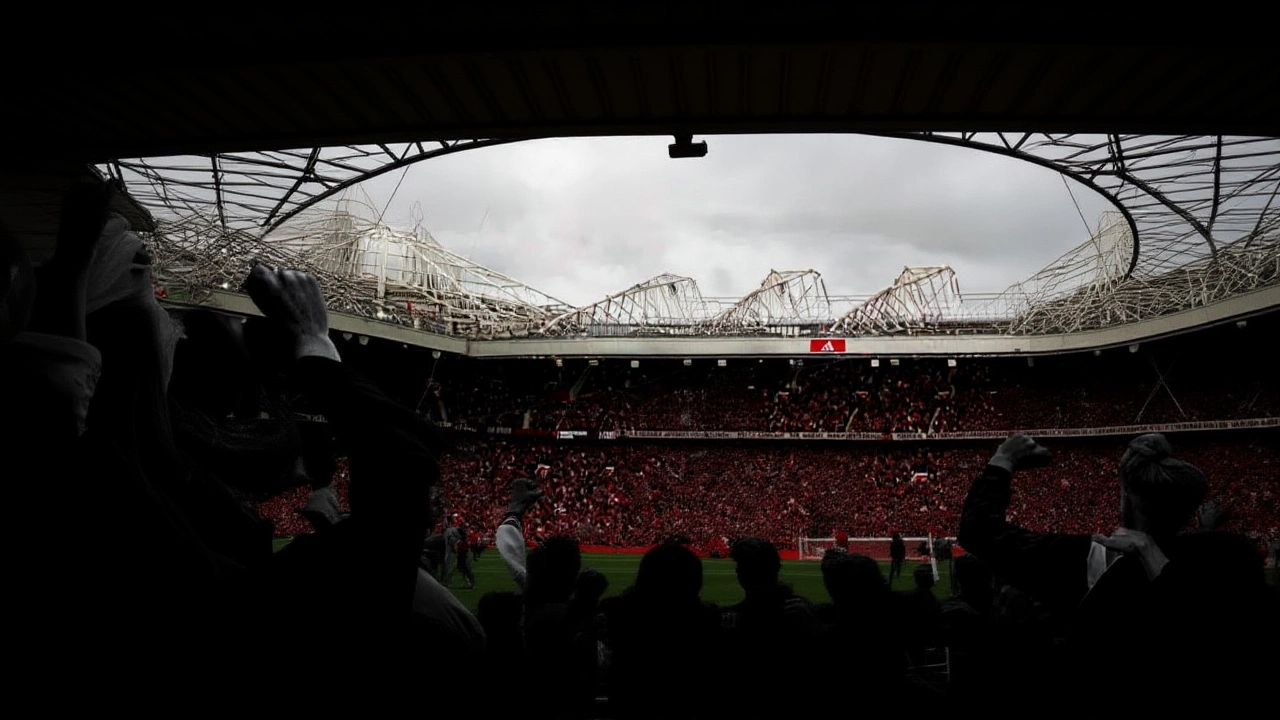
This parade marks a turning point. It’s not just about one season; it’s about restoring faith in a brand that had been dormant for generations. For younger fans, it’s their first memory of a title win. For older ones, it’s redemption. The club has proven it can compete at the highest level, domestically and internationally, even if the ultimate European prize slipped away.
The ripple effects will be felt for years. Merchandise sales are likely to soar, attendance figures will remain robust, and the squad’s confidence will be bolstered. More importantly, the bond between the club and its supporters has been strengthened. They’ve shared a journey, endured hardship, and now, they’re celebrating together.
Frequently Asked Questions
When did Arsenal's Premier League title parade take place?
The parade took place on May 21, 2026, starting at 2pm from the Emirates Stadium in Holloway. This date was confirmed by the Premier League on May 20, 2026, following Arsenal's league-winning performance earlier in the season.
How many fans attended the Arsenal title parade?
Estimates suggest that up to 500,000 people attended the parade, making it one of the largest public gatherings in London in recent years. ITV News provided this figure, while other outlets described the crowds as numbering in the hundreds of thousands.
Why was there such a large police presence at the parade?
The Metropolitan Police prepared one of its largest operations of the year due to the expected crowd size of 500,000. Extra powers were granted to manage disorder and ensure public safety, reflecting the scale and complexity of coordinating such a massive event in a densely populated urban area.
Did Arsenal lose the Champions League final before the parade?
Yes, Arsenal lost the Champions League final to Paris Saint-Germain on penalties in Budapest on Saturday night, just a day before the parade. Despite this heartbreak, fans celebrated the Premier League title with high spirits, viewing the domestic win as a historic achievement after a 22-year drought.
What route did the parade take through London?
The parade started at the Emirates Stadium in Holloway and followed a circular route through the borough of Islington. Four open-top buses carried the team and the trophy, allowing fans lining the streets to get close views of the players and the championship hardware.